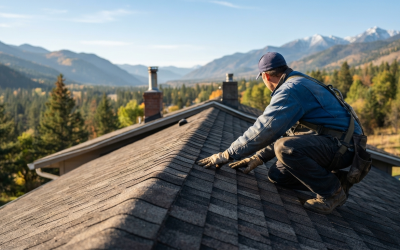
After solar panel work on a tile roof, the surrounding tiles, mounting points, flashing, penetrations, underlayment, and drainage paths should be rechecked for changes or damage. In Mesa, AZ, a professional evaluation can help determine whether installation or later solar service affected components that protect the home from water and weather exposure.
Solar panels and tile roof systems can function together, but installation and maintenance require technicians to access areas that otherwise receive relatively little foot traffic. Checking the affected sections afterward can help identify cracked tiles, displaced materials, or concerns around mounting locations.
Why Should Tile Roofs Be Checked After Solar Panel Work?
Tile materials can be durable, but they can also crack or shift when subjected to concentrated foot traffic or impact. Solar installation may require technicians to move across the surface while positioning mounting hardware, panels, wiring, and other components.
Later solar maintenance may create additional traffic in the same areas.
This does not mean solar work automatically causes roof damage. It does mean that the areas surrounding the system deserve attention after installation, removal, replacement, or significant service.
Professional roof inspection services can examine accessible areas without assuming that every irregularity is connected to the solar equipment.
Which Tiles Should Receive Closer Attention?
Tiles near mounting points and frequently traveled access routes are logical places to begin an evaluation. Inspectors may look for cracked, chipped, lifted, or displaced materials and compare them with surrounding sections.
A small change in tile position can matter if it exposes materials beneath the tile or alters the intended path of water.
Not every cosmetic variation requires repair. The condition of adjacent tiles, underlayment, flashing, and other components helps determine whether a visible change is significant.
Homeowners should avoid walking across the surface to look beneath solar panels themselves. Tile can be damaged by improper foot placement, and working around elevated solar equipment introduces additional safety concerns.
What Should Be Checked Around Solar Mounting Points?
Solar mounting systems typically require secure attachment to structural components. These locations also involve transitions where mounting hardware passes through or integrates with the existing roof assembly.
An evaluation may examine visible flashing, seals, adjacent tiles, mounting areas, and signs of moisture movement. The objective is to determine whether each transition continues to manage water as intended.
If an issue is identified, professional roof repair services can evaluate the affected components and determine an appropriate response based on the specific tile system and condition present.
Simply adding sealant around a questionable area may not identify or correct the source of a problem.
Can Solar Work Affect the Underlayment?
Underlayment plays an important role beneath a tile system. Although it is normally protected by the tiles above, it can become more exposed if tiles crack, shift, or are temporarily removed during work.
An inspector may evaluate accessible areas for visible deterioration, punctures, unusual exposure, or evidence that moisture has reached materials beneath the tile surface.
Because much of the underlayment remains concealed, conclusions should be based on observable conditions rather than assumptions.
When roof maintenance and repairs are needed, understanding the condition of both the visible tile and underlying components can help prevent a surface-level correction from overlooking a different concern.
Why Should Flashing Be Rechecked?
Flashing helps manage water around transitions and penetrations. Solar equipment can introduce additional mounting locations and may sit near existing vents, valleys, walls, or other areas where flashing is already important.
The inspection should consider whether visible flashing remains properly positioned and whether surrounding materials show signs of disturbance.
Water does not always enter directly above an interior stain. It may travel along underlayment, framing, or another path before becoming noticeable inside a building.
For this reason, evaluation should consider the broader area rather than focusing only on the first visible symptom.
Can Solar Panels Change Roof Drainage?
Solar panels do not necessarily create a drainage problem, but the area beneath and around them should remain capable of directing water away effectively.
Leaves, dust, and other debris may collect around equipment or in nearby drainage paths. Displaced tiles or materials can also influence how runoff moves across a particular section.
In Mesa, seasonal rain and wind can make unobstructed drainage particularly important. An inspection can check visible water pathways, valleys, and surrounding surfaces for conditions that deserve attention.
A local roof repair evaluation can also account for the materials and environmental exposure common to Mesa properties without assuming that weather or solar equipment caused a specific problem.
What Should Be Documented After Solar Panel Work?
Homeowners can keep invoices, photographs, installation records, and information about when solar equipment was installed or serviced. These records may help establish the condition and repair history of the affected area.
Documentation becomes especially useful if a leak, displaced tile, or other concern develops later. Previous records can help professionals understand what changed and when.
Homeowners can also note visible changes observed safely from the ground, such as a newly displaced tile or debris near an accessible edge. Investigation on the roof itself should be left to qualified professionals.
When Should a Professional Evaluation Be Scheduled?
An evaluation may be appropriate after substantial solar installation, removal, replacement, or service, particularly if there are visible broken tiles, displaced materials, interior moisture, or concerns around mounting areas.
The purpose is not to assume something went wrong during the solar work. Instead, an inspection provides an opportunity to verify the condition of components that may have experienced additional traffic or disturbance.
For homeowners in Mesa, AZ, who notice changes after solar panel work, schedule a professional inspection to evaluate the affected areas and determine whether maintenance or repair is necessary. A focused assessment can help clarify the condition of the tile system without relying on assumptions or potentially damaging DIY investigation.